Silba is becoming a composting island. You’re part of it.

A community composting project connecting residents, visitors and businesses on the island of Silba. Supported by the RURACTIVE EU programme.

Silba is a quiet, car-free island with a rich history and a unique way of life. For the 300 of us who live here year-round, it’s paradise. But when summer arrives, our population swells to 7,000 — and all that organic waste gets packed up and shipped off to the mainland. Our community spoke up and demanded a real change. Instead of sending it away, we now turn it into rich compost for local gardens. By working together — residents, visitors and businesses — everyone contributes to keeping our island worth coming back to.

Visiting Silba? Here’s what to do.

HOW TO PARTICIPATE

three steps

01. Find the container

Your accommodation has a small bio-waste container in the kitchen — or a marked brown bin nearby. That’s your starting point.

02. Add food scraps

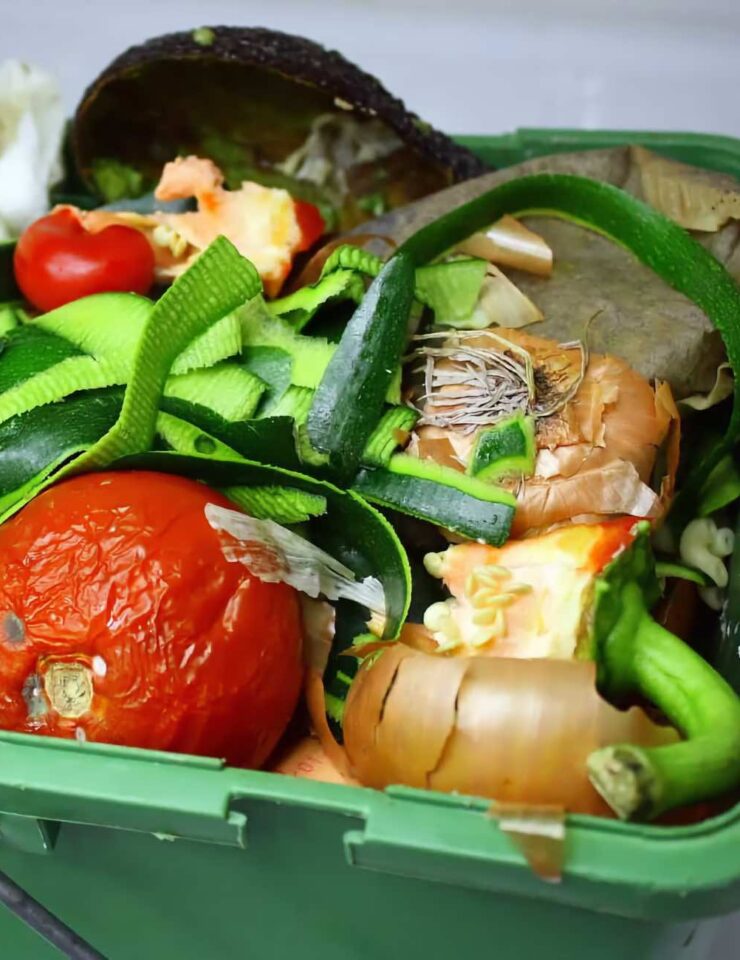
Fruit peels, coffee grounds, vegetable scraps, tea leaves, eggshells. Not plastic, not packaging, not cigarettes.

03. That’s it

You don’t need to know everything about composting. Separate first. The island takes care of the rest.

Got a composting device in your space?
Scan the QR code on it — or find your solution below.

SOLUTIONS

Find your composting solution

SOLUTIONS

Each solution works differently. Tap a card to find out what goes in, what stays out and how to use it.
Daily container

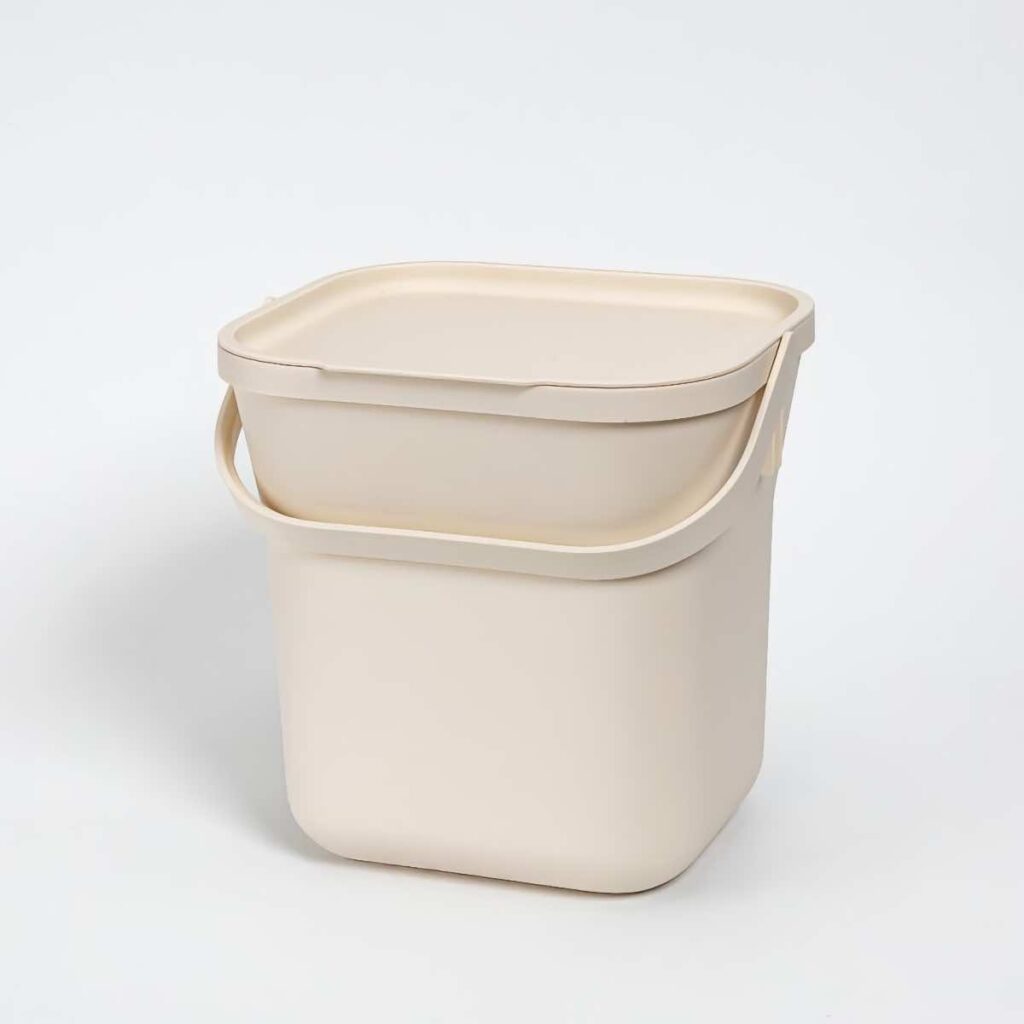
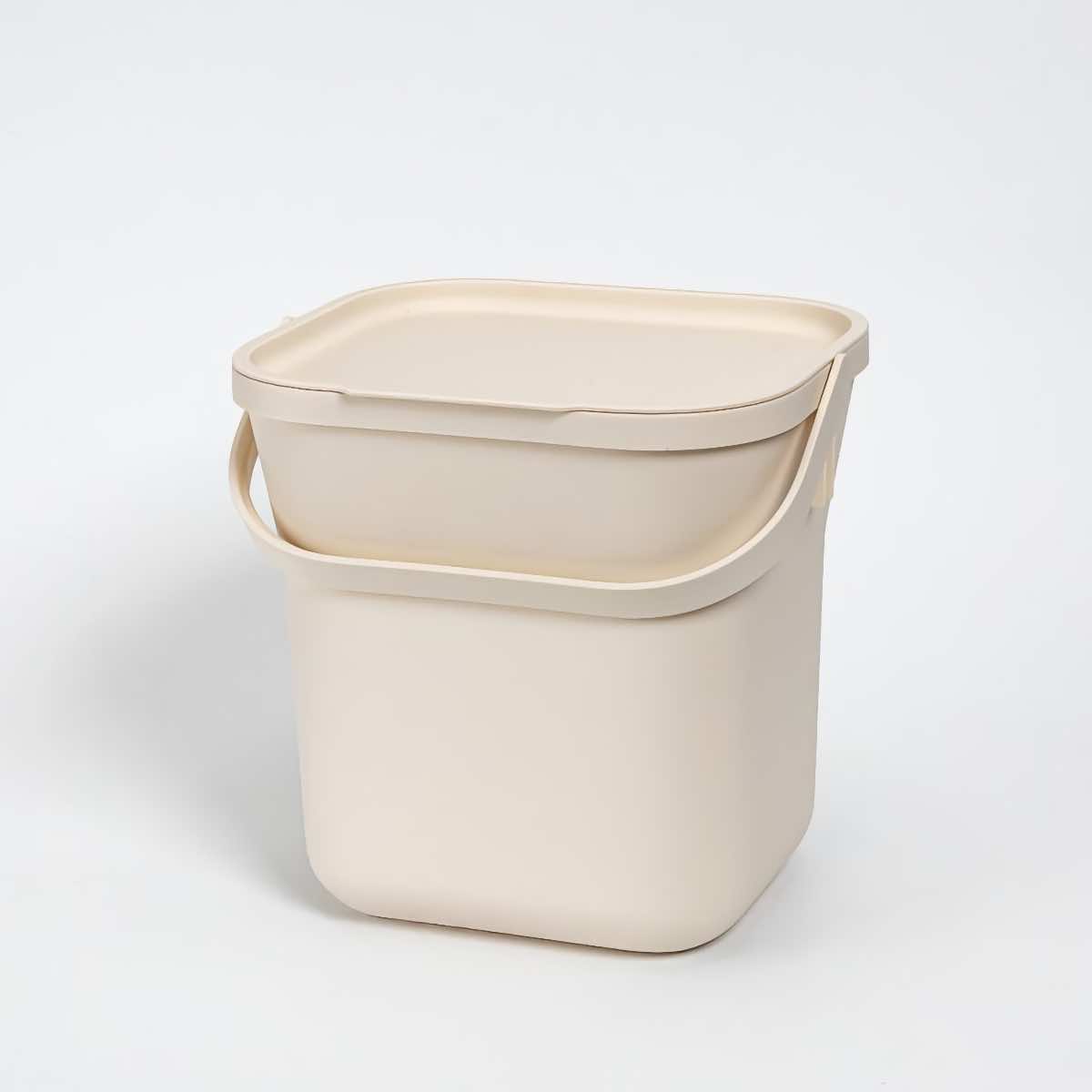
The starting point for everyone. Collect food scraps in the kitchen before they go to the next step.

Brown bin

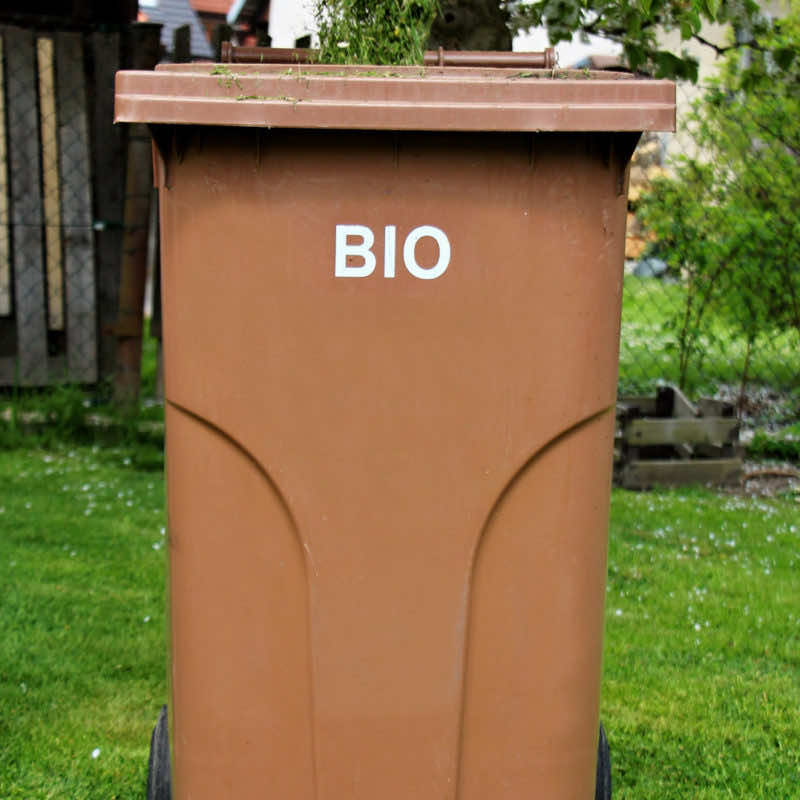
For separated bio-waste that gets collected and processed centrally. No composting needed on your side.

Bokashi

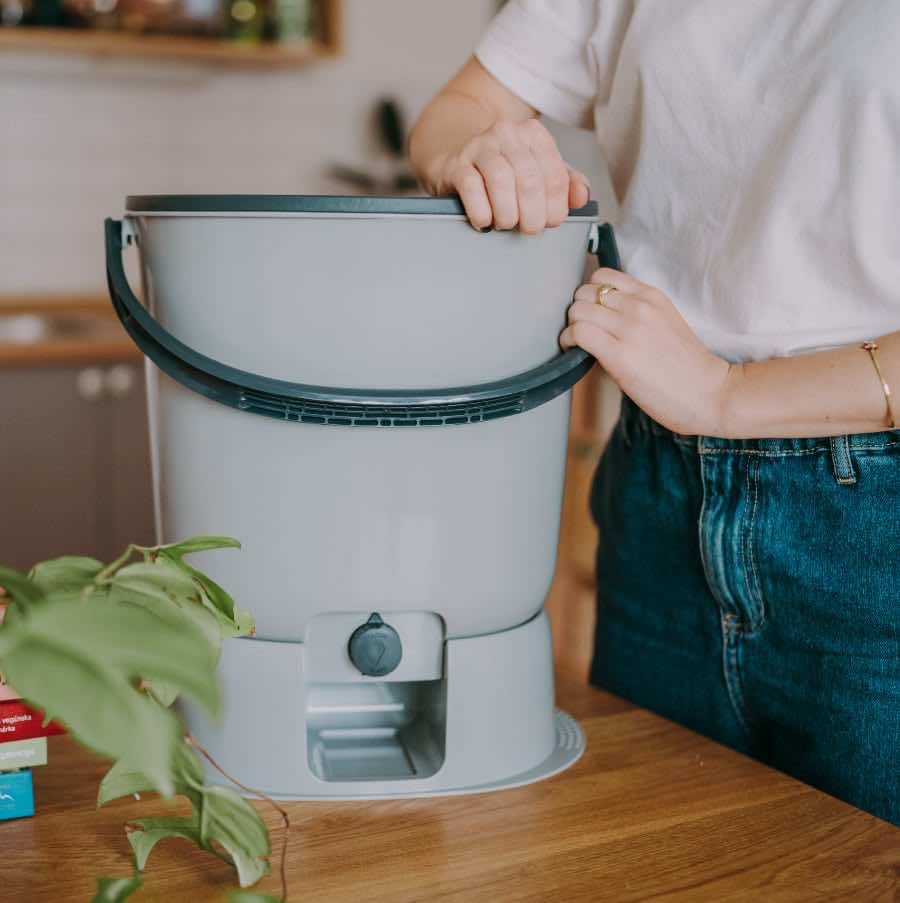
An airtight indoor fermentation bin. Accepts almost everything from your kitchen — including meat and dairy.

Vermicomposter

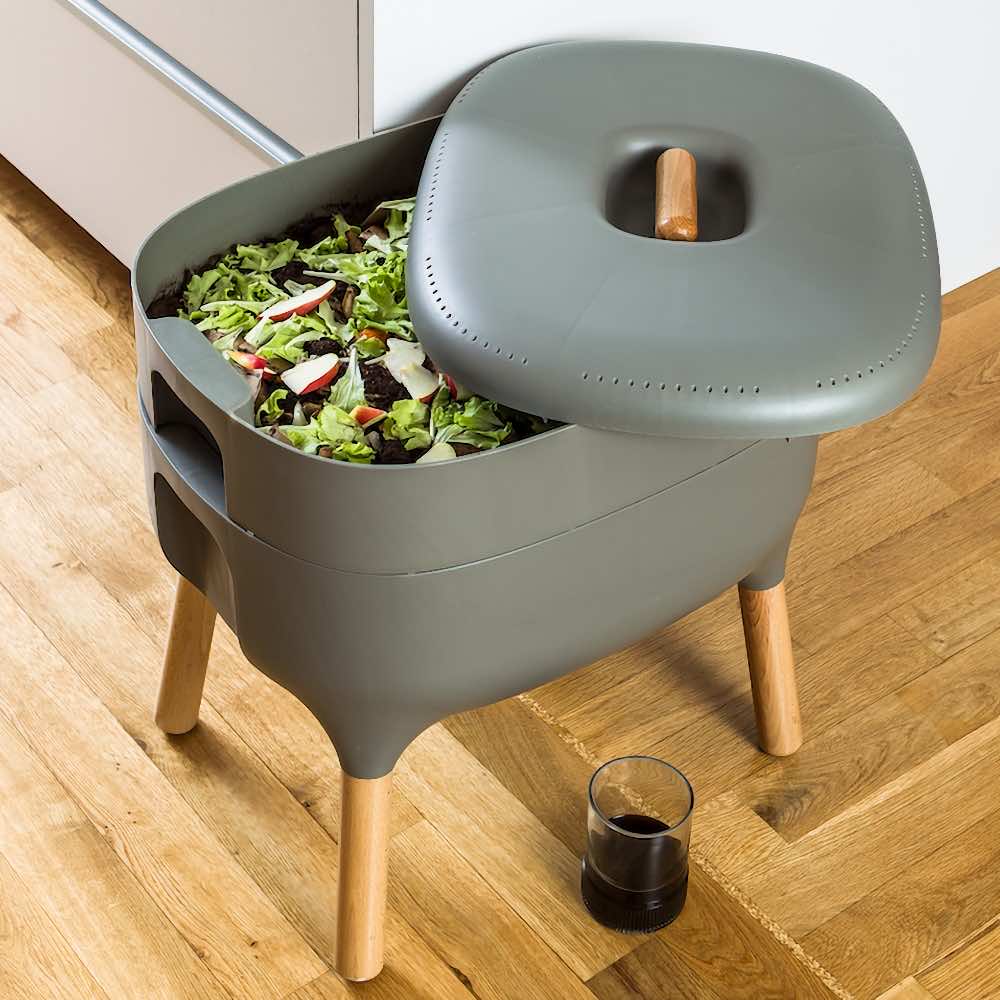
Composting worms turn plant-based kitchen scraps into rich vermicompost and liquid fertiliser.

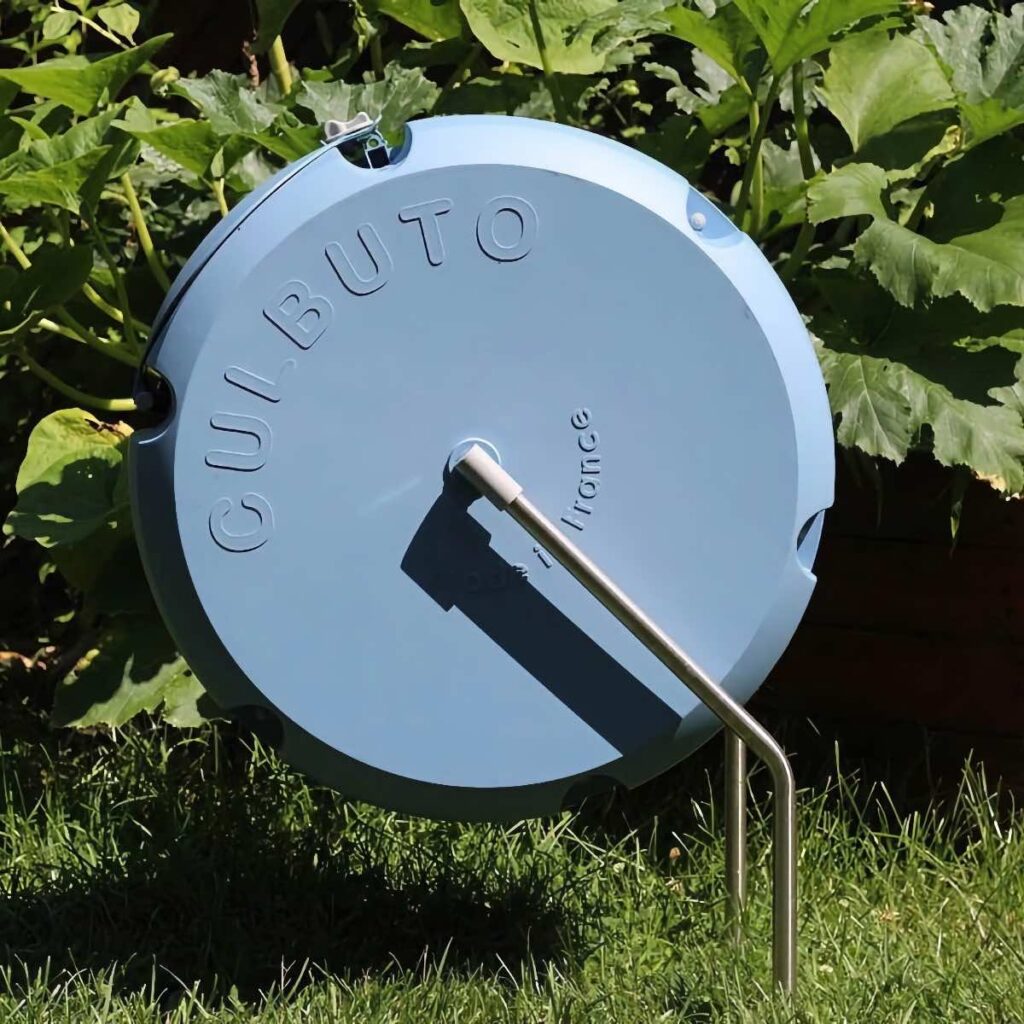
Rotating composter

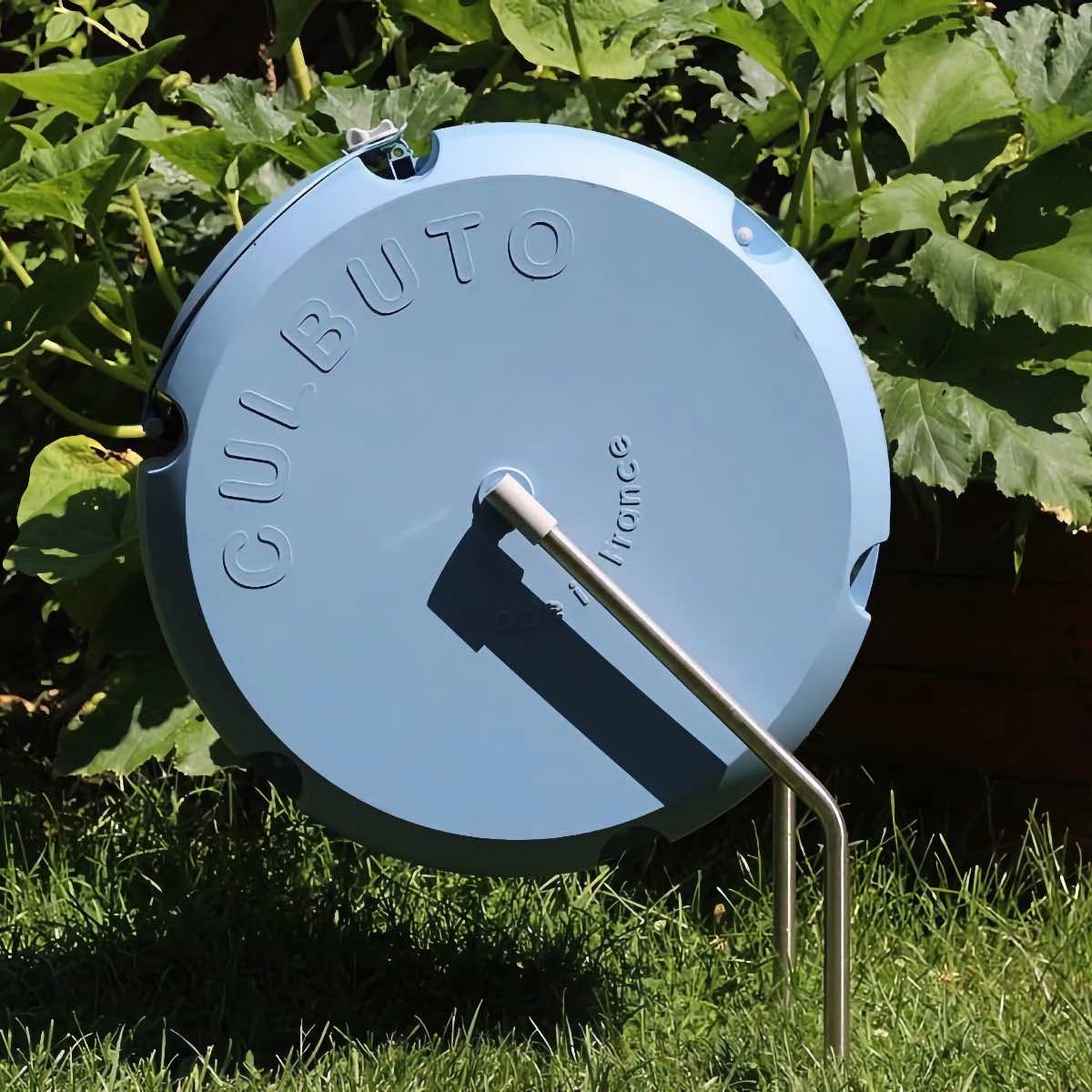
A drum composter for balconies, terraces and gardens. Easy to aerate — just give it a turn after each use.

Garden composter

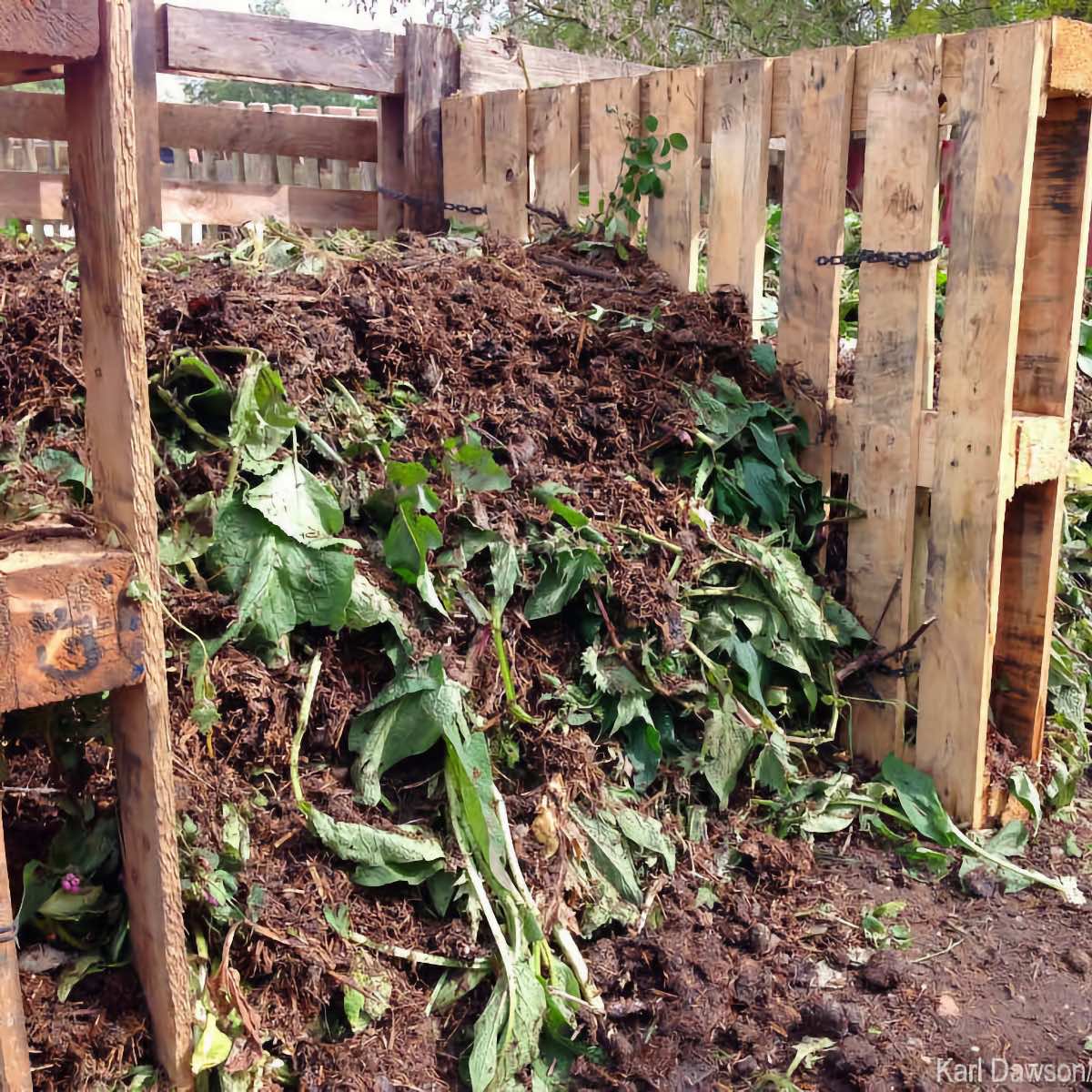
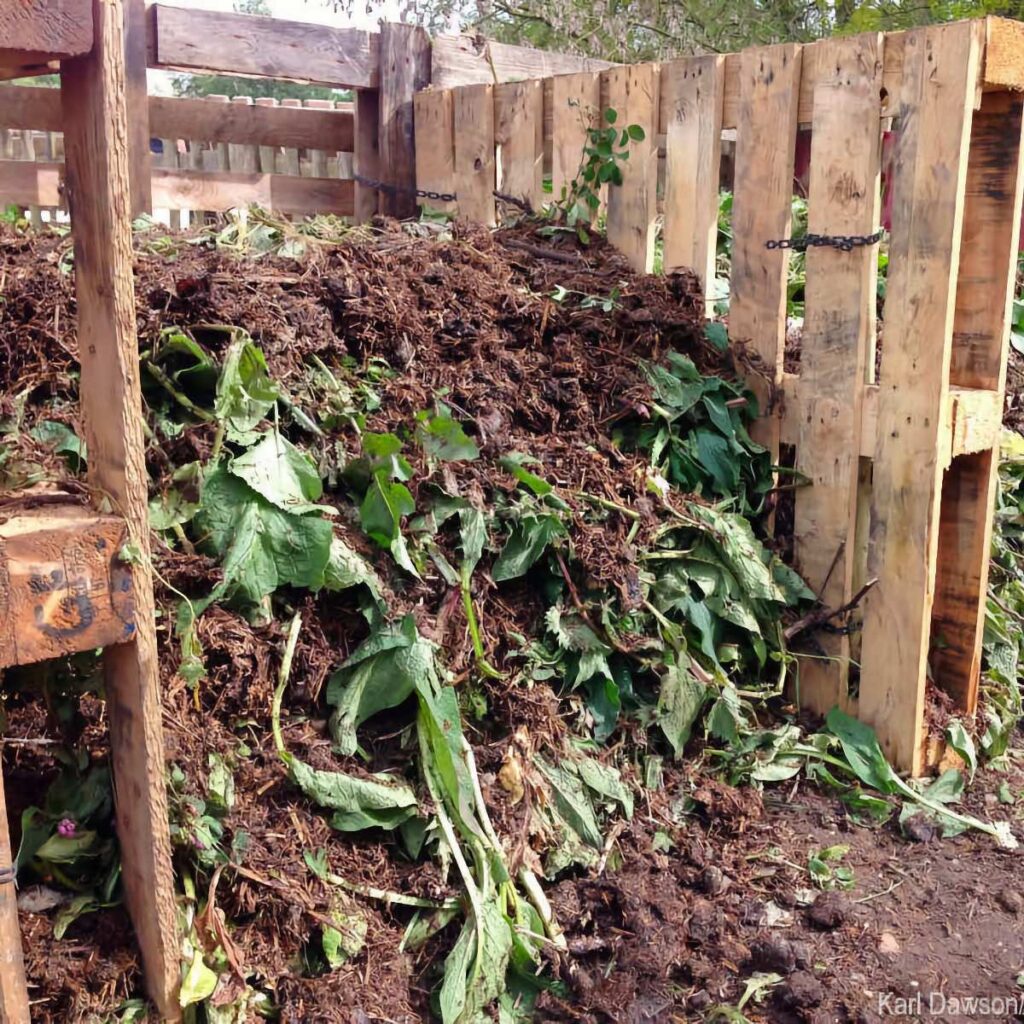
Traditional outdoor composting directly on soil. For plant-based scraps and garden waste over time.

Electric composter

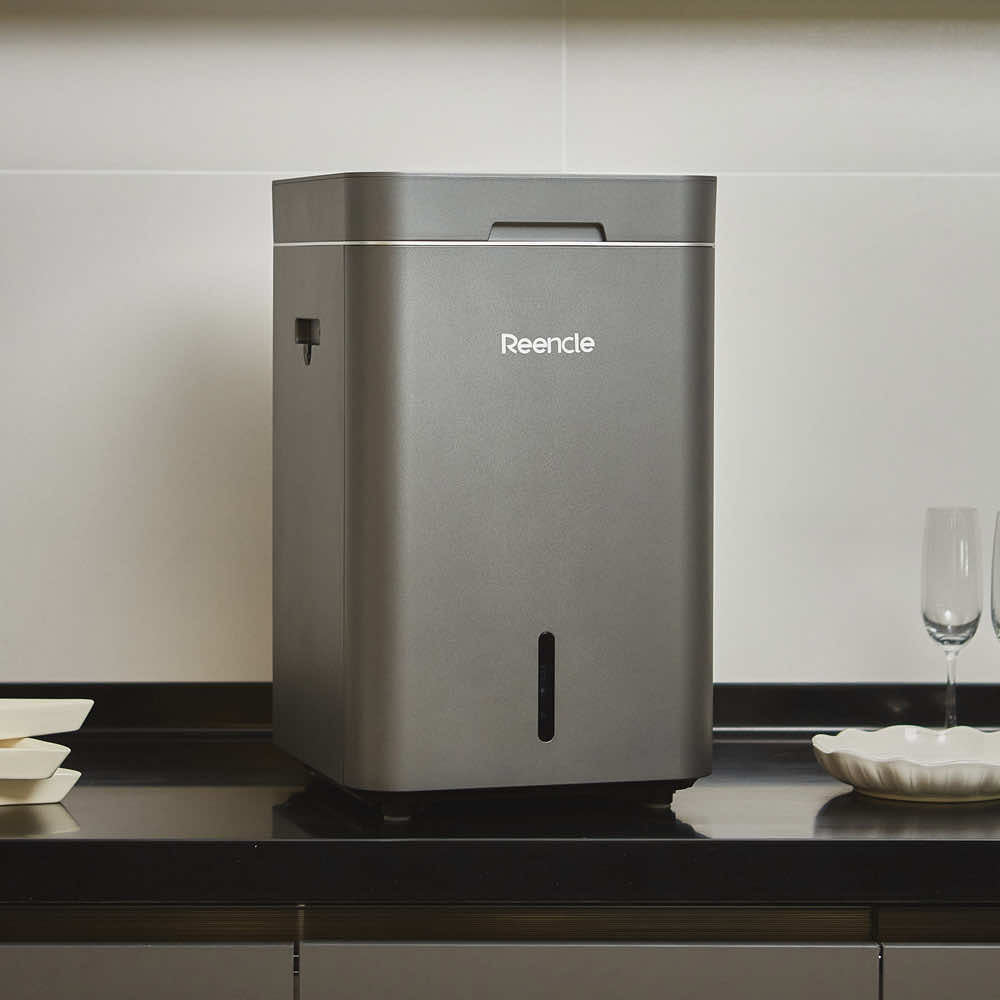
Fast, hygienic processing for kitchens with high volumes of mixed food waste — including meat and fish.

Community composting site

The central hub of Silba’s composting system. Where everything comes together.

Not sure where something goes? Check here.

WHAT BELONGS WHERE

ABOUT

Compatibility table

Symbols: ✅ yes  |  ❌ no  |  ⚠️ small amounts only  |  — collects only, passes to next step

SolutionMeat & fishDairyCookedCitrusGarden
🪣 Daily container
🟤 Brown bin
🫙 Bokashi
🪱 Vermicomposter⚠️ small
🔄 Rotating composter
🌿 Garden composter
⚡ Electric composter

These are the materials people most often get wrong. For the full list of what goes in and what stays out, tap the card for your solution above.

Universal NO

🚫  These never belong in any bin or composter — not even close.
Plastic  ·  Wet wipes  ·  Sanitary products (diapers, tampons, pads)  ·  Cigarette butts  ·  Glass  ·  Metal  ·  Oil in large amounts

THE SYSTEM

How it all works on Silba

THE SYSTEM
A network of individual composting solutions connected through community coordination. The more people participate, the better it works.
1
Your kitchen
2
Your solution
3
Community composting site
4
Silba’s soil

Every household, accommodation and restaurant is a node in the same system.
Your scraps don’t leave the island — they come back as compost for gardens, trees and olive groves.

I’m a resident

You have the most options — and the most impact. The right solution depends on your space and habits.

I rent accommodation

You’re the bridge between your guests and the island’s system. Most guests will participate if you make it easy. They don’t need to understand composting — they just need a container, a clear instruction and a QR code.

I run a restaurant or food business

Your kitchen produces the most complex bio-waste on the island. Standard composting doesn’t work for gastro — meat, fish, dairy and cooked food volumes require faster, more hygienic processing.

All solutions on Silba feed into one shared system, coordinated by Društvo Samotvorac in cooperation with PUZ Silba and Čistoća.
The community composting site is where individual efforts become island-wide impact.
Learn more about the community composting site

FAQ

Questions? We get these a lot.

FAQ
If you can’t find the answer here, contact Društvo Samotvorac directly.

🦳 For visitors

Simple. Instead of putting food scraps into general waste, use the bio-waste container in your accommodation — or the marked brown bin nearby. That’s it.

Because visitors produce food scraps too. When you separate them, you help Silba reduce mixed waste, prevent smells and keep organic material on the island — where it belongs.

Use the small bio-waste container provided by your host, or the marked brown bin. If you’re not sure which one, check the instruction card in your space or scan the QR code on the device.

Not everything. Fruit and vegetable scraps, coffee grounds, tea leaves, eggshells — yes. Plastic, packaging, oil, cigarettes, wet wipes — no. Check the instruction on your container or find your solution above.

Empty it more often and keep the lid closed. Avoid putting liquids, oil or meat in it. A quick rinse between empties helps too. If smell persists, check that no wrong materials have ended up inside.

Yes. In summer, most of the bio-waste on Silba comes from short-stay visitors. Every meal, every coffee, every fruit peel adds up. A few correct separations during your stay genuinely help.

Scan the QR code on or near the device — it will show you exactly what goes in, what stays out and how to use it. You can also find each solution explained in the solutions section above.
Keep it tidy and close the lid after use. Cleaning rules depend on your accommodation.

🌿 About bio-waste & the system

Bio-waste is organic waste from the kitchen or garden — fruit and vegetable scraps, coffee grounds, tea leaves, eggshells, dry leaves, grass and small branches.

It goes into one of the composting solutions on the island — brown bin, bokashi, vermicomposter, rotating composter, garden composter or electric composter — depending on the place and local setup. The goal is to keep it on Silba and turn it into compost for local soil, gardens and green areas.

Not at all. The system is designed so anyone can start with simple separation, even with no composting experience. Separate first. Learn as you go.

The brown bin collects bio-waste for central processing. Composting solutions — bokashi, vermicomposter, garden composter and others — process the material directly where you live. Both are part of the same island system.

No. Bioplastic bags look like plastic and behave like plastic in most composting systems. Do not put them in bio-waste containers or brown bins unless the local instruction specifically says otherwise.

Yes — if people separate correctly. Less organic material in mixed waste means cleaner bins, fewer smells and less pressure on the island’s waste system, especially in summer.

That’s the goal. Organic material processed on the island supports local soil, gardens, trees and olive groves — without transport to the mainland.

🟤 About the brown bin

The brown bin collects separated bio-waste so it can be processed properly instead of going into mixed waste. Put in fruit and vegetable scraps, coffee grounds, tea leaves, crushed eggshells, dry leaves and small plant-based leftovers.

No. Empty bio-waste directly into the bin. If you carried it in a plastic bag, tip the contents in and put the bag into plastic waste.

 No. These materials cause smells, attract pests and disturb composting. Use bokashi or the electric composter for these — they’re designed for it.

Yes, if they are paper tea bags without staples or plastic parts. When in doubt, tear the bag open and compost just the leaves.

Contact your local coordinator or check the collection schedule. Do not put bio-waste into general waste because the bin is full — keep it in your kitchen container until the next collection.

Collection frequency depends on the season and location. Check the schedule posted near your bin or ask your local coordinator.

Keep the lid closed and make sure only the right materials are going in. Meat, fish, dairy and liquids are the most common cause. If the problem continues, contact your local coordinator.

🏡 For accommodation hosts

You don’t have to. A short instruction card and QR code near the container is enough for most guests. You can also add the instructions to your listing on Airbnb or Booking.com before they arrive.

A small kitchen bio-waste container in each unit, a clear instruction card with YES/NO visuals in Croatian, English and German, and access to a brown bin or composting solution. We provide multilingual materials — contact Društvo Samotvorac.

 It depends on your space and guest profile. A brown bin works for all types. Bokashi is ideal for units without outdoor space. A garden or rotating composter suits properties with a garden or terrace.

Yes. Contact Društvo Samotvorac for on-island coordination and practical help with setup.

It happens. A clear visual instruction near the bin reduces mistakes significantly. If you notice repeated issues, check whether the instruction is visible and in the right language.

WHO IS BEHIND THIS

The people making it happen

About us

Best for

The whole island — this is where individual composting efforts connect into one shared system.

Community composting site

What it is

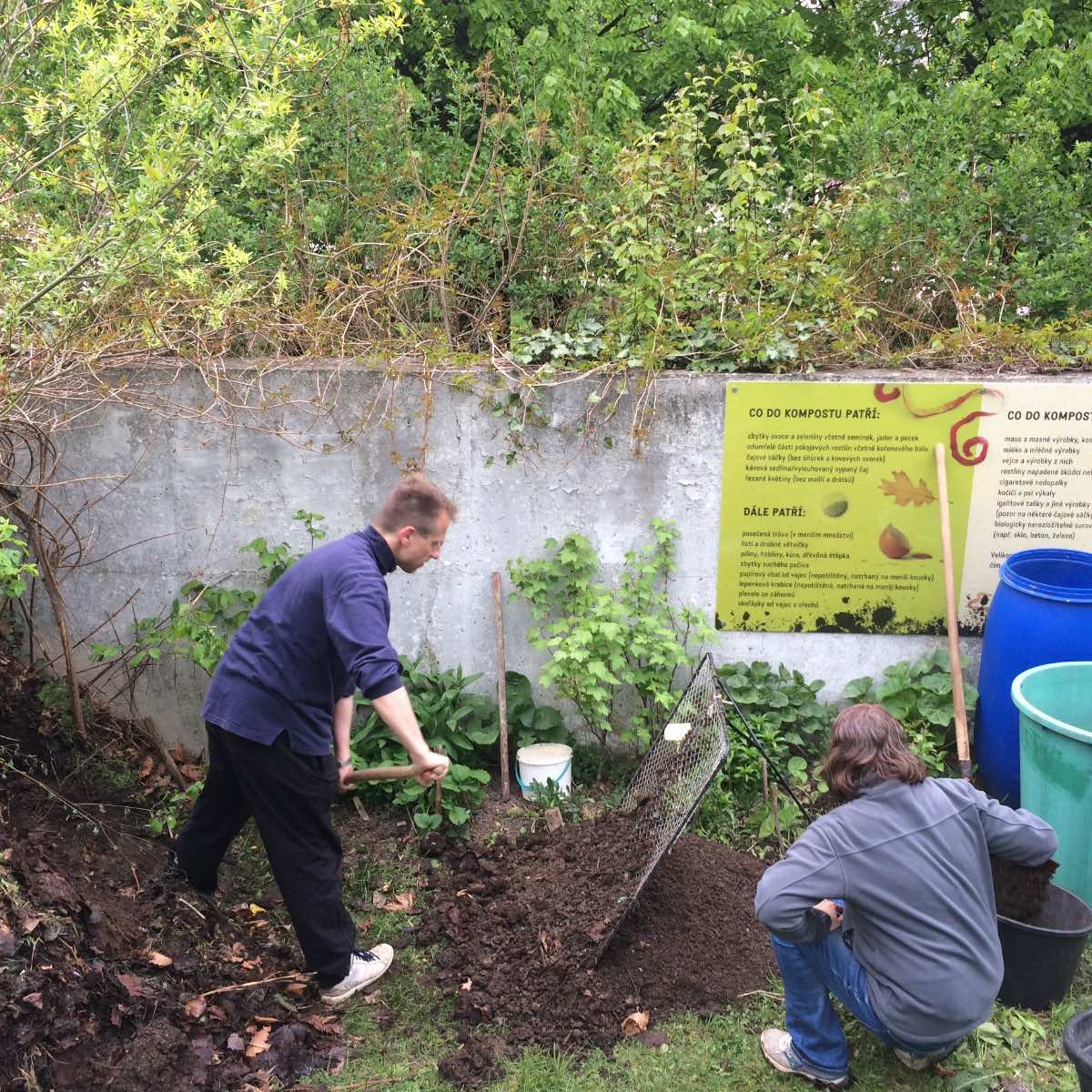
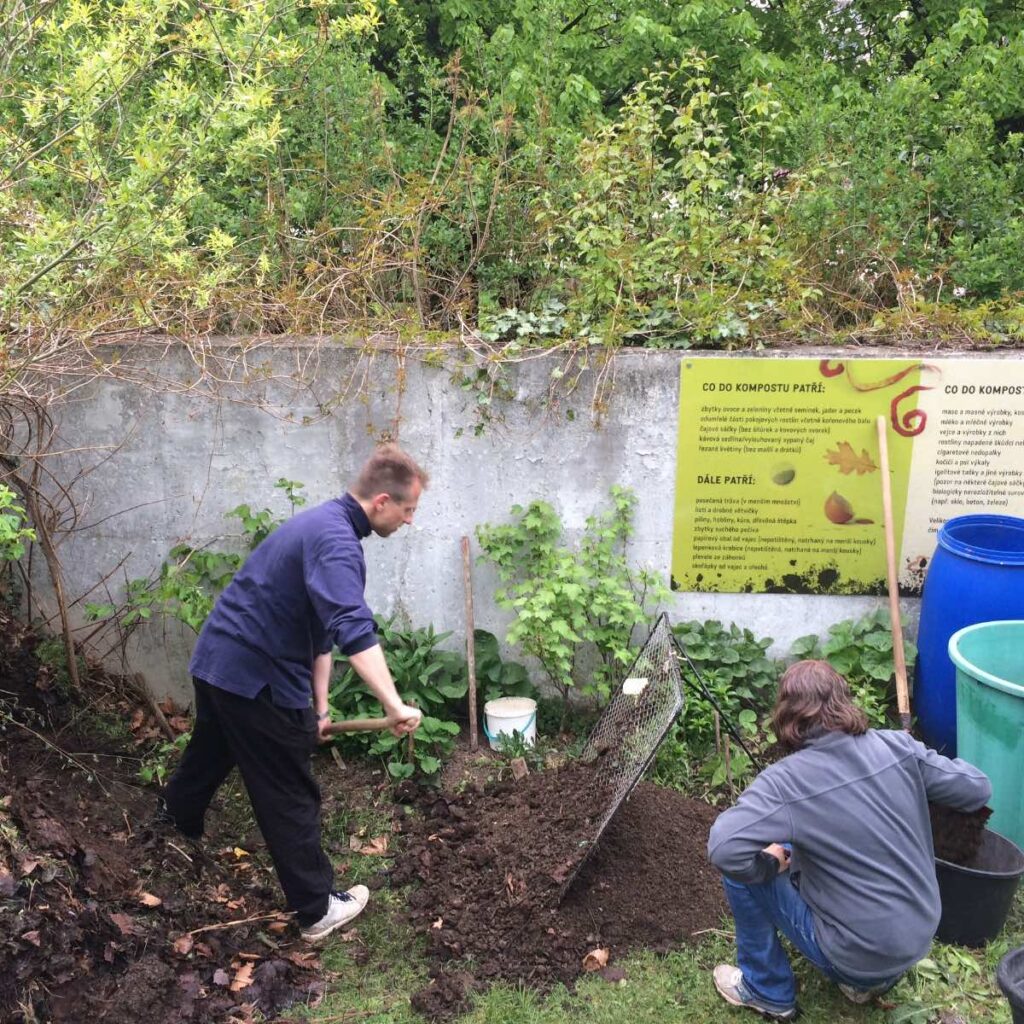
The community composting site receives separated bio-waste and garden material from households, accommodation, restaurants and public spaces across the island. Managed by Društvo Samotvorac in cooperation with PUZ Silba and Čistoća. Finished compost is distributed to local gardens, trees, olive groves and green areas.

✅ Yes — goes in

  • Output from electric composter (pre-compost)
  • Separated bio-waste from brown bins
  • Garden greenery — grass, leaves, plant trimmings
  • Dry material — branches, wood chips, olive prunings

❌ No — never

  • Unseparated mixed waste
  • Plastic, wet wipes, sanitary products
  • Meat, fish & dairy (unless pre-processed through bokashi or electric composter)

How to use it

  1. Bio-waste and garden material arrives from individual sources across the island.
  2. Material is layered, monitored and maintained by the local coordination team.
  3. The composting process takes several months.
  4. Finished compost is distributed locally — gardens, trees, olive groves and green areas.

Best for

Restaurants · Cafés · Shared kitchens · Accommodation with high guest turnover

Electric composter

What it is

An electric composter that uses heat, airflow and microorganisms to break down food waste quickly. It processes mixed food waste including meat and fish — making it ideal for restaurants and high-volume kitchens.

✅ Yes — goes in

  • Fruit & vegetable scraps
  • Meat, fish & bones
  • Dairy products
  • Cooked food & leftovers
  • Bread & pastry
  • Coffee grounds, tea leaves, eggshells

❌ No — never

  • Plastic of any kind 
  • Wet wipes & sanitary products 
  • Cigarette butts
  • Large hard bones (whole, uncracked)
  • Large amounts of liquid or oil
  • Hard shells (coconut, seafood shells)

How to use it

  1. Add food waste directly into the machine throughout the day.
  2. The machine processes the material automatically — no manual mixing needed.
  3. The cycle takes approximately 24 hours.
  4. Remove output regularly and hand it off to the community composting site.
  5. Keep the machine plugged in and the lid closed during operation.

Good to know

The output is pre-compost, not finished compost. On Silba it goes to the central composting site for final maturation. Do not use it directly in gardens without checking with your local coordinator.

Best for

Households with a garden · Properties with outdoor space

Garden composter

What it is

A classic outdoor composting bin placed directly on soil. It processes plant-based kitchen and garden waste slowly and reliably over several months, producing finished compost for gardens and green areas.

✅ Yes — goes in

  • Fruit & vegetable scraps
  • Coffee grounds & filters
  • Tea leaves & paper tea bags
  • Crushed eggshells
  • Grass clippings & plant trimmings
  • Dry leaves, small branches & wood chips
  • Cardboard & paper (torn into small pieces)

❌ No — never

  • Meat, fish & bones
  • Dairy products
  • Cooked food with oil or sauces
  • Diseased plants
  • Plastic, wet wipes, cigarette butts

How to use it

  1. Place the composter directly on soil — contact with the ground allows worms and microorganisms to enter naturally.
  2. Add material in layers — alternate wet (food scraps, grass) with dry (leaves, cardboard, wood chips).
  3. Aim for a 3:1 ratio — three parts dry material for every one part wet.
  4. Mix or aerate occasionally with a fork to speed up the process.

Good to know

A handful of dry leaves or torn cardboard after each food scrap addition makes a big difference. The key is the mix.

Best for

Households · Apartments with a balcony or terrace · Properties with a small garden

Rotating composter

What it is

A tumbler composter that speeds up composting by making aeration easy. Add material, give it a turn, and the drum mixes everything and brings in air — faster and with less effort than a traditional pile.

✅ Yes — goes in

  • Fruit & vegetable scraps
  • Coffee grounds & filters
  • Tea leaves & paper tea bags
  • Crushed eggshells
  • Bread & small pastry scraps (small amounts)
  • Grass clippings & small plant trimmings
  • Dry leaves, cardboard & wood chips (torn/chipped small)

❌ No — never

  • Meat, fish & bones
  • Dairy products
  • Cooked food with oil or sauces
  • Plastic, wet wipes, cigarette butts

How to use it

  1. Add food scraps and dry material together — aim for a mix of wet and dry.
  2. After each addition, rotate the drum several times to mix and aerate.
  3. Keep the balance: for every bucket of food scraps, add a similar amount of dry material.
  4. Compost is ready in a few months — dark, earthy and crumbly.

Good to know

Too much wet material without dry browns will slow the process and cause smell. When in doubt, add more cardboard.

Best for

Households · Apartments · Schools · Anyone who enjoys a living composting system

Vermicomposter

What it is

A living composting system where worms do the work. They process plant-based kitchen scraps and turn them into vermicompost and liquid worm tea — both valuable for plants and soil.

✅ Yes — goes in

  • Fruit & vegetable scraps
  • Coffee grounds & filters
  • Tea leaves & paper tea bags
  • Crushed eggshells
  • Bread & small pastry (small amounts)
  • Paper napkins & cardboard (torn into small pieces)

❌ No — never

  • Meat, fish & bones
  • Dairy products
  • Citrus peels (small amounts only — worms dislike acidity)
  • Cooked food with oil or sauces
  • Spicy food & onions (in larger amounts)
  • Plastic, wet wipes, sanitary products

How to use it

  1. Add a thin layer of food scraps — don’t overfeed.
  2. Cover each layer with a little cardboard or dry material.
  3. Keep the lid closed and the tray moist but not wet.
  4. Harvest liquid fertiliser from the bottom tap regularly — dilute 1:10 with water before use.
  5. Vermicompost is ready when it looks dark, earthy and crumbly.

Good to know

The worms are living creatures — they need regular care and a stable environment. Avoid temperature extremes. If you’re going away, they can survive a few weeks without feeding.

Best for

Households · Apartments · Accommodation units without outdoor space

Bokashi

What it is

An indoor fermentation system for all types of kitchen waste. Food scraps ferment in an airtight container — no smell, no mess, no outdoor space needed. After fermentation the material becomes pre-compost that can be buried or handed off locally.

✅ Yes — goes in

  • Fruit & vegetable scraps
  • Meat & fish
  • Dairy products
  • Cooked food & leftovers
  • Bread & pastry
  • Coffee grounds & tea leaves
  • Eggshells & paper napkins

❌ No — never

  • Plastic of any kind 
  • Wet wipes & sanitary products 
  • Cigarette butts
  • Large amounts of liquid
  • Glass, metal, packaging

How to use it

  1. Add scraps in layers — don’t fill it all at once.
  2. Sprinkle bokashi bran over each layer.
  3. Press the material down and seal the lid.
  4. Repeat until full.
  5. After 2 weeks of fermentation — bury the pre-compost or hand it off locally.

I run a restaurant or food business

The right solution for your kitchen

  • Electric composter (Reencle) — processes up to 5.5 kg per day, 24-hour cycle, accepts all organic waste including meat and fish.
  • Output goes to the community composting site for final maturation — not directly to soil.
  • Brown bin as backup for plant-based waste only.

Daily workflow

  1. Kitchen prep → scraps directly into the electric composter.
  2. Machine runs continuously — no manual cycle management needed.
  3. Remove output regularly and hand off to the community composting site.
  4. Brown bin for any overflow of plant-based waste only.

Energy consumption is low. Smell is minimal. No special infrastructure beyond a standard power socket. Contact Društvo Samotvorac or Kokoza to discuss setup.

I rent accommodation

What to prepare

  • Small bio-waste container in each unit — on the kitchen counter, visible.
  • Instruction card with YES/NO visuals in Croatian, English and German.
  • Access to a brown bin or composting solution on the property.
  • QR code near the container linking to this website.

Which solution fits your property

Property type Recommended solution
Apartment without outdoor space Brown bin + bokashi
Property with terrace or balcony Rotating composter
Property with garden Garden composter
Multiple units, high turnover Brown bin as primary solution

We provide multilingual instruction materials. Contact Društvo Samotvorac to get your set.

I’m a resident

Decision tree

My situationRecommended solution
I have a gardenGarden composter or rotating composter
No garden, but indoor spaceBokashi or vermicomposter
No time or space for compostingBrown bin — simple and effective
Large household with garden wasteCombine: bokashi for kitchen + garden composter or community site for garden waste

You can also bring larger volumes of garden greenery — leaves, branches, grass, olive prunings — directly to the community composting site. Contact Društvo Samotvorac for details.

Best for

Visitors · Households · Accommodation units · Anyone without a composting solution

Brown bin

What it is

The brown bin collects separated bio-waste so it can be processed properly instead of going into mixed waste. It is emptied on a regular schedule and the contents are processed at the community composting site.

✅ Yes — goes in

  • Fruit & vegetable scraps
  • Coffee grounds & filters
  • Tea leaves & paper tea bags (no staples, no plastic parts)
  • Crushed eggshells
  • Bread & small pastry scraps
  • Paper napkins & paper towels
  • Dry leaves & small plant trimmings

❌ No — never

  • Meat, fish & bones
  • Dairy products
  • Cooked food with oil or sauces
  • Plastic bags of any kind
  • Wet wipes & sanitary products
  • Bioplastic bags — they look like plastic and behave like plastic
  • Cigarette butts
  • Glass, metal, packaging

How to use it

  1. Collect food scraps in your small kitchen container during the day.
  2. When full, empty it directly into the brown bin — no plastic bags.
  3. Keep the lid closed after each use.
  4. Check the collection schedule posted near your bin.

Good to know

The brown bin is not a general waste bin. Every wrong item makes the whole bin harder to process. Meat, dairy and oil are the most common cause of bad smells — keep them out.

Best for

Everyone — visitors, households, accommodation units, restaurants

Daily container

What it is

The daily container sits on your kitchen counter or under your sink. It collects food scraps throughout the day before they go to the next step — a brown bin, bokashi, vermicomposter or other composting solution.

✅ Yes — goes in

  • Fruit & vegetable scraps
  • Coffee grounds & filters
  • Tea leaves & paper tea bags
  • Crushed eggshells
  • Bread & small pastry scraps
  • Paper napkins

❌ No — never

  • Plastic of any kind
  • Wet wipes & sanitary products
  • Cigarette butts
  • Liquids & oil
  • Glass, metal, packaging

How to use it

  1. Keep the container on your kitchen counter or under the sink.
  2. Add food scraps throughout the day — keep the lid closed.
  3. When full, empty it into your composting solution or brown bin.
  4. Rinse the container occasionally to keep it fresh.

Good to know

The daily container doesn’t compost anything by itself. It’s the first step — a clean and convenient way to collect scraps before they go where they need to go.